
Students cannot make real-world decisions solely based on textbook knowledge. Students can rote learn as many formulas as there are in a chapter, but they will never be able to answer any of them in the real world. Practical education looks to close that gap. Parents are beginning to pay attention to which schools offer practical education the most, when making schooling choices for their children.
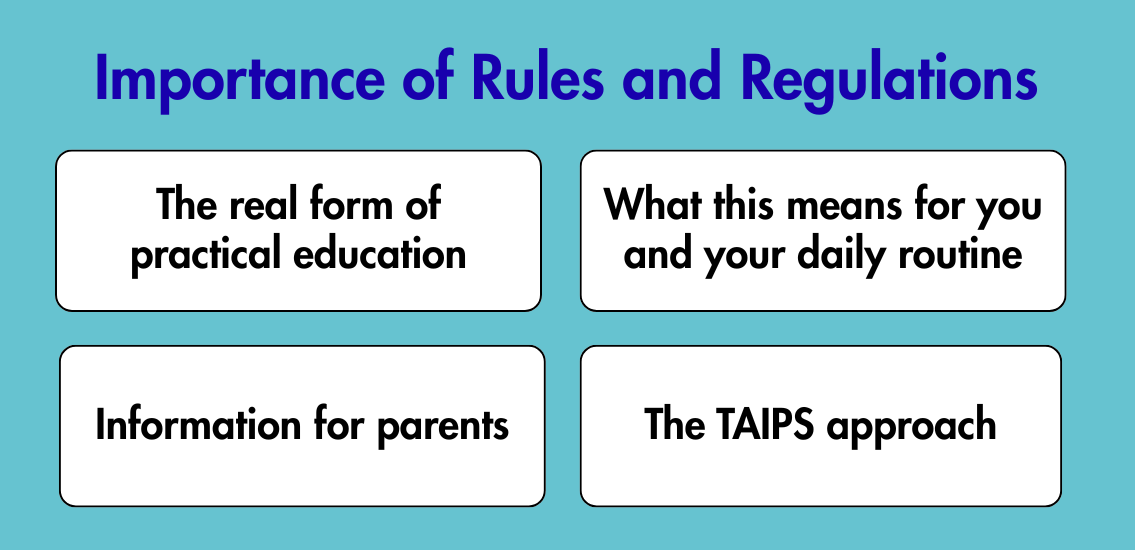
The real form of practical education
Practical education is not a single subject. It is a teaching style that looks to develop a student’s understanding of a concept through various classroom activities. Teaching a single concept must include designing classroom activities that take students through a process of constructing, testing, challenging, and revising a concept. Finally, a class of science must take students through a lab from a diagram. A class of math must take students through a real-world budgeting. A class of Social Studies must take students through a real-world project within the community. The aim of all these activities must be to go beyond the current examination.
Solving problems is valued more than rote answering. Building reasoning enables children to develop confidence when confronted with new challenges, as well as their enjoyment for learning instead of the need for memorization to attain excellence in examinations. Practical learning develops communication and teamwork skills which cannot be taught by a worksheet.
What this means for you and your daily routine
- Features of school life that apply this philosophy
- Learning through laboratories, practicals and demonstrations, rather than being taught theory
- Evaluation and assessment through practical applications, rather than recall or theory
- Teaching through real-world projects
- Field studies and excursions to bring classroom learning to actual environments
- Group activities in which students apply their knowledge together instead of memorising theories independently.
- Ongoing assessment through practical applications rather than testing recall knowledge
Information for Parents
You can ask about project-based learning when visiting a school. How many projects do students do compared to worksheets? Are the lab sessions hands-on? Does the school give students access to the workplace or learning opportunities to learn skills that are not just in the science classroom? You can determine if a school’s approach to project-based learning is real or just something the school writes about to sell the school.
them ace yet another test is what it means to apply at TAIPS. We know children are geared for the test after the test, and we are here to change that!
The TAIPS Approach
Having rules and regulations helps create responsible, disciplined, and confident individuals. Structuring learning environments gives students the tools to socially develop skills like kindness, honesty, and accountability, while promoting their academic development. Rules and positive value systems prepare children to face their challenges and make educated decisions along their life journey. The misconception of a strict discipline structure, is that there are restrictions. Restrictions are the backbone of structure, which then leads to lifelong self-discipline and personal growth.
Building good habits through discipline creates a strong foundation for lifelong success. When children learn respect, accountability, honesty, and self-control, they become better learners, responsible citizens, and confident individuals ready to achieve their goals.