
Measuring student mental health isn’t difficult. Marks, attendance and homework are tracked easily. I have seen how a student’s mental health can influence their perspective on the world. The mental health of a student also affects how a student learns and how a student copes with disappointment and failure. The awareness of health should start at home.
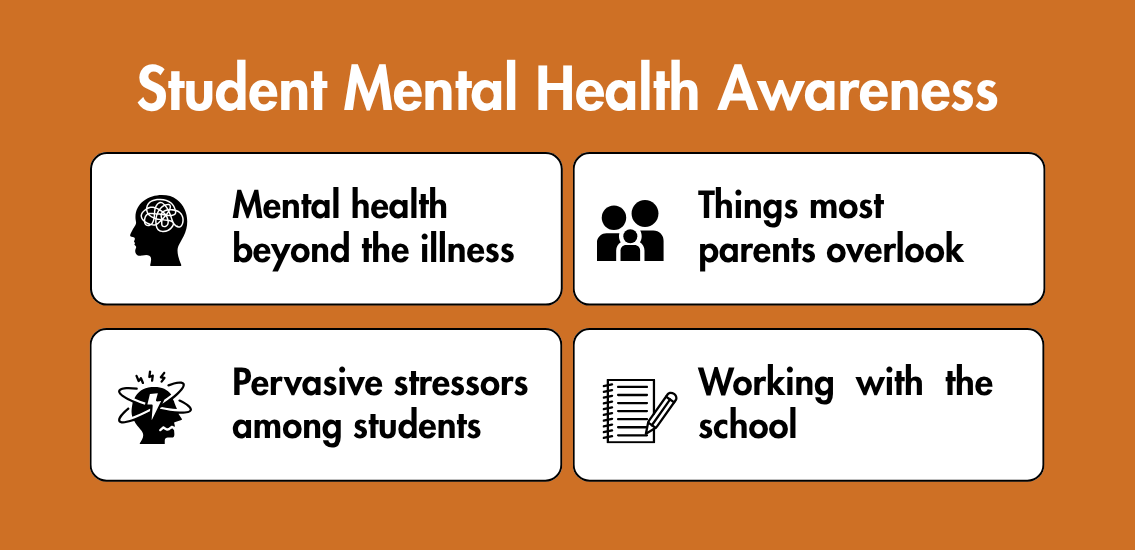
Mental Health Beyond the Illness
Students who eat well and get enough sleep are better able to share their concerns and work through their problems. Break the habit of assuming that because they don’t have signs of illness, they are mentally healthy.
Things Most Parents Overlook
Over my years in school family counselling, the first signs of a mental health crisis are rarely large and dramatic. Look out for behaviours that last more than two weeks.
- Sudden loss of interest in hobbies
- Frequent physical pains that lead to absence from school
- Withdrawing socially
- Changes in appetite and sleep
In younger students, these behaviours can be expressed as clinginess and/or emotional outbursts. Older students express it as anxiety, irritability and fatigue.
Pervasive Stressors Among Students
Students of all ages deal with stress from goals, peer pressure and family expectations. These pressures change based on what grade they’re in. The challenges they face can influence their behaviour. How well they do in school.
Habits like eating too much at once, staying up late and pulling away from friends or family can show that a student is having trouble with stress or mental health. It’s important for families to notice these signs at home. When parents or caregivers see these changes, they can help students talk about what they’re feeling and work through their struggles before the problems become long-term.
Building Open Communication with Children
Traditionally, parents tend to address issues related to their child’s learning only after receiving assessment results. However, student mental health awareness is equally important, and parents should talk to their children about their studies every day, during less stressful moments such as a car ride or a walk. Children are more likely to open up when they feel they will not be judged. Parents can ask questions like, “What was the hardest part of your day?” and listen attentively to their child’s response. Children feel heard and valued when parents listen without comparing them to their cousins or classmates.
Building a Routine
Most children will act better. Children can manage their emotions and behaviour better when they follow consistent rules and daily routines. Keeping screen time under control can help keep the family’s balance safe. If a child has issues with self-control, suggest that a child take a break to cool off rather than punishing a child.
Working With the School
What do your child’s teachers see that you don’t? We think the best way to find out is to form a strong partnership with your child’s class teacher and/or school counsellor, and ask them to share their observations. Teachers welcome this opportunity to share their thoughts because they often see the positive effects of a strong home-school partnership on their students. Schools like TAIPS value this partnership. Schools like TAIPS work with parents because Schools like TAIPS want to help students. The methods the Schools like TAIPS use will have an effect on students’ lives.
Seeking Help for Your Child
If the child’s condition persists for weeks or months, mental health professionals say parents should seek help. Mental health professionals advise parents especially when the child’s condition starts to affect the child’s activities. So parents should ask their child’s doctor. Contact a psychologist for an evaluation and for help. Parents should look for signs of self-harm, anxiety, or depression, as well as changes in their child’s behaviour, such as emotional withdrawal. Parents should never feel bad, about asking for help. Parents and their families deserve help.