
Attendance and attention are two very different things. A student can be physically present in a classroom yet mentally miles away. For schools today, the real challenge isn’t just getting students through the door it’s making sure they are genuinely involvement in education once they are entering into classrooms.
Research consistently shows that students who feel connected to their lessons retain more, perform better, and develop stronger critical thinking skills.
*Now Student Engagement Matters More important:*
Today’s learners are inundated with distractions. Social media, short-form material and constant digital stimulation have decreased attention spans and raised expectations about how information is presented.
This means that schools need to do more than the typical lecture style instruction. When children feel connected, challenged and heard, they don’t merely learn, they thrive.
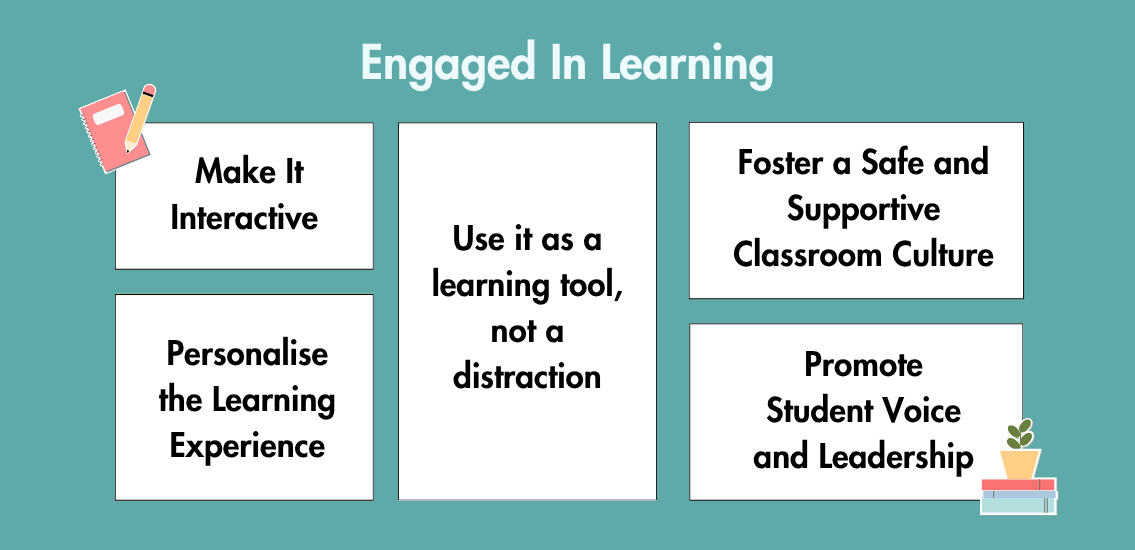
*Practical Ways to make truly Engaged Classroom*
1. Make It Interactive: Passive listening generally does not lead to profound knowledge. Schools should contain:
· Group Discussions and Collaborative Problem-solving Exercises
· Science experiments, art projects, real-world case studies
· Role plays, debates and simulation exercises
Students learn organically when they do something with knowledge, not merely take it in.
*2. Personalise the Learning Experience*
Not every child learns at the same speed or in the same way. Schools can increase engagement by:
· Working out individual learning types (visual, aural, kinaesthetic)
· Tasks Aligned To Student Readiness
· Letting students choose their own projects or areas of research
A student who feels recognised as a person and not just a roll number is significantly more inclined to participate.
*3. Use a Technology: Use it as a learning tool, not a distraction
*Smart use of technology can change the dynamics of the classroom in a big way:
· Interactive whiteboards and instructional software make abstract concepts tangible
· Gamified quizzes (such as Kahoot or Quizizz) are fun for revision
· Immersive interactions with virtual field excursions and multimedia content
*4. Foster a Safe and Supportive Classroom Culture
*Students are more engaged when they feel emotionally comfortable to ask questions, make mistakes and express ideas. Schools can do this through:
· Fostering true relationships between teachers and students
· Creating a judgement-free zone for inquiry and questions
· Celebrating effort and not just the result
Emotional safety is the first step to all other engagement tactics.
*5. Connect Lessons to Real-Life Relevance:*
Students pay far more attention when they know why something is important. Teachers should
· Bring in guest speakers from diverse industries
· Organise field trips and community-based projects
*6. Promote Student Voice and Leadership
*When students are involved in shaping their learning, it promotes ownership:
· student councils, peer mentorship programs
· Opportunities to conduct conversations or present initiatives
· Feedback surveys in which students review and shape classroom experience
Agency is a strong motivator. If students feel responsible for their education, they will invest in it.
TAIPS is a place where students are encouraged to be curious and where individuality is recognised. Here learning is much more than just textbooks. From activity-based classrooms and technologically integrated teaching to strong mentorship and co-curricular excellence, every part of the school has been intended to keep students actively engaged and truly motivated who is sincerely engaged in learning each and every day.