
Each child has their own system of learning. However, high achieving children in schools have something in common: they have found a system of learning that works, and they stick to it. The correct system helps children to organize their time, keep their spirits up, and helps them to learn in a more effective way. It does not overwhelm them and is easy to implement. Many educational researchers look at how a system in learning correlates with a good academic performance. One of the major studies available discusses learning and study performance. Better performance is related to learning and study performance in which the students manage their time for studies, plan what they have to do, and test themselves.
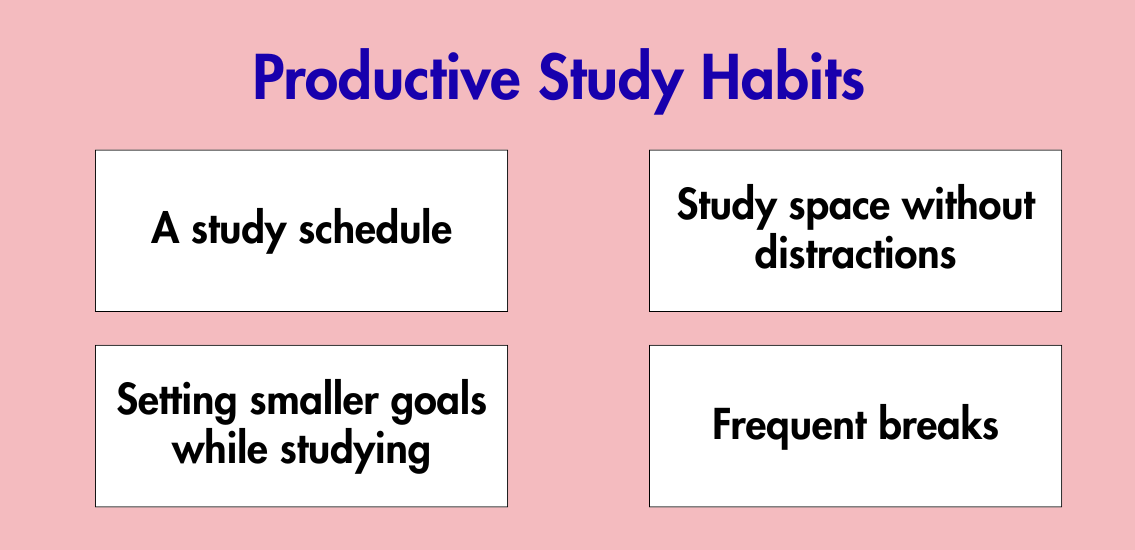
- A Study Schedule
Using the same time to study every day makes study time more predictable. This makes studious children find it easier to switch to study mode. When children become accustomed to study time, it eliminates the need for them to be prompted to study.
- A Study Space Without Distractions
Having a good space is needed as much as time to study. Having a space that is quiet and clean, and free of your study distractions will help you to study better. Even if your study time is short, but you are in a good space, you will study better than if you have long study times in a distracting space.
- Setting Smaller Goals While Studying
Breaking study time into sections can help children manage the study time for large portions of challenging subjects. Each completed section of study time can help increase a child’s confidence to study by reinforcing positive study behaviours and making the study time more task-oriented.
- Active Recall Over Passive Reading
Rereading notes can provide an illusion of being prepared. Self-testing can be done in the form of mini-quizzes, flashcards, or verbalizing the concept to others. This active recall is a much stronger memory reinforcing tool than any form of passive study.
- Frequent Breaks
Studies have shown that going for prolonged periods of time without taking a break lowers your brain’s ability to remember the information you’ve been studying. Taking a break after short study sessions, or by just sleeping, allows the brain to remember the large amount of information you can’t cover too long.
Having steady habits help children develop a positive approach to studying. Once students are helped to learn to manage their time and to help themselves during lessons, and to control the amount of time they study and snatch to the point of restfulness, they tend to help themselves to a lot of academic progress. TAIPS naturally supports kids to productive study habits take into their adult life. The great self-control that is strengthened is useful for kids during lessons in school and once school is over.