The change is because of the evolution of teaching approaches that go beyond rote memorisation to deeper, lasting learning. Especially at CBSE schools where the syllabus is tough and expectations are large, the method of teaching a topic is frequently as important as the concept itself. In this blog, we will explore the new teaching methods that are revolutionizing today’s classrooms and how schools like as TAIPS are using them.
Teaching Techniques Matter More Than Ever
Today’s children have more information available to them than any generation in history but information is not the same thing as understanding. What good teaching is about now:
- Building curiosity, not just teaching the syllabus.
• Encouraging pupils to ask “why” as opposed to memorising “what”
• Helping pupils to use knowledge in real settings not just for tests
That shift in focus in the classroom leads to better retention, more confidence, and students learning what they want to learn, not what they are instructed to learn.
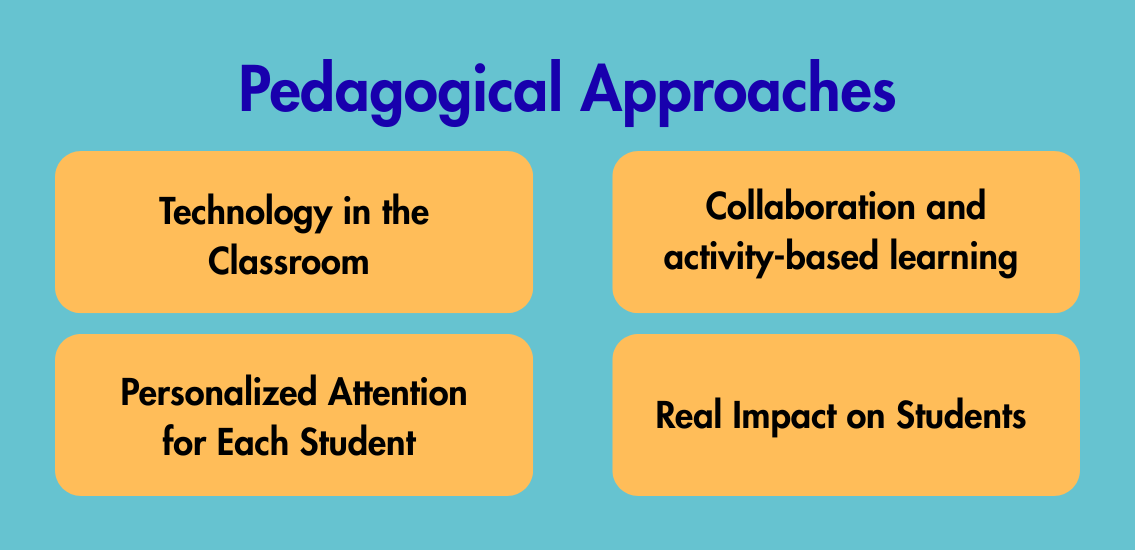
Technology in the Classroom
Delivery of lessons is different with smart boards, AI-based learning tools and digital resources. Teachers can now employ fast tests that immediately highlight where a student is struggling or display a 3D model of the solar system instead of talking about one.
It’s not a replacement for the teacher; it’s a way to improve tools to:
- Modify lessons to suit real-time feedback
• Visualise abstract subjects and make them easy to understand
• Interactive forms to maintain student engagement
Collaboration and activity-based learning
Group work, peer conversations, classroom debates are no longer “extra”—they are a key way concepts are absorbed. When students explain ideas to one another, they learn them more profoundly.
Classrooms that are activity-based generally feature:
- Joint projects and presentations
- Peer instruction sessions
- Model-building and experimentation by hand
This technique discreetly also promotes communication and collaborative skills that count much beyond the classroom.
Personalized Attention for Each Student
Not all students study at the same pace, and today’s classrooms are set up to accommodate that. Instead of a single exam, teachers are now using a continuous evaluation system to identify where each child needs support. This includes:
- More small group work for hard themes.
• Regular feedback instead of term-end surprises.
• Multiple explanations of an idea, with repetitions if needed.
Real Impact on Students
Combine these strategies and the difference is clear far beyond the report card. Student Exhibits:
- Having more confidence in speaking and presenting in public
- Enhanced problem-solving skills in real-life situations
• Take more responsibility for their own learning rather than expecting to be told what to do.
For parents searching for CBSE schools in Coimbatore, this is often the real test. It’s not simply the scores that a child takes home, but the way they think, ask questions and tackle an issue they have not seen before.
How a subject is taught can make the difference between a youngster passing an exam or actually understanding the world a little better. The schools that are educating students for life after the classroom, not simply the next test, are the ones that invest in smart pedagogical Approaches that integrate technology, cooperation and personal attention. This commitment to excellent teaching is at the heart of how each class is prepared and delivered at TAIPS.