
Overview
A student who memorizes answers passes a test. A student who understands the question prepares for life.
On its own, academic excellence isn’t the only representation of success. Employers and educational institutions look for the ability to analyze, question, reflect, and solve. These competencies cannot be cultivated in a formal training environment. They can be nurtured during a child’s formative years – at school and at home during meals and while adult guardians converse with and guide young children.
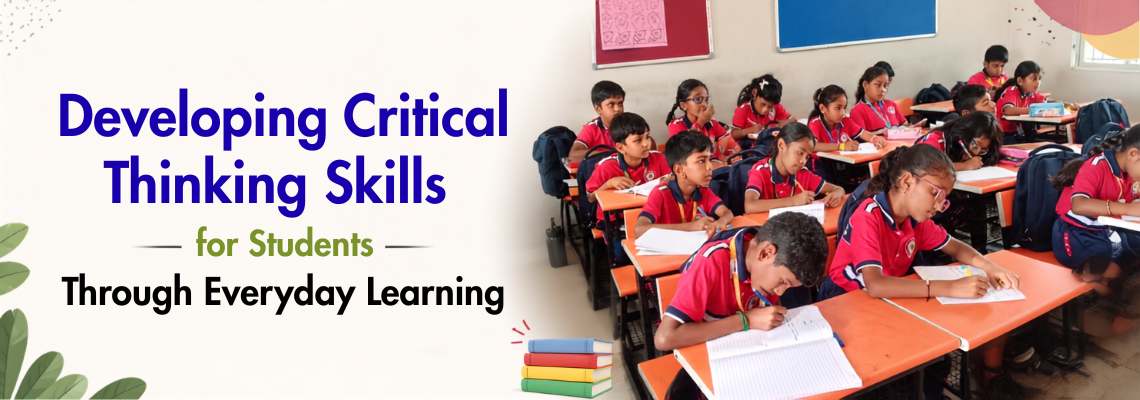
TAIPS works on the premise that the skills described are the most important take-aways from the educational journey. As such, classrooms at TAIPS are designed to incentivize deep thought over memorization.
The Classroom as a Space for Deeper Thinking
Giving credit for the ‘right’ answer in any given situation is the default in most traditional classrooms. In contrast, progressive classrooms reward the process of reasoning, evaluation, and conclusion.
TAIPS uses inquiry based frameworks across all disciplines and urges students to:
- Engage the ‘why’ before the ‘what’ and understand the value of analysis
- Engage in respectful argumentation while also engaging in respectful evaluation of arguments
- Understand the importance of evaluating sources and of evidence
- Engage in evaluating the outcomes of their learning processes
While engaging in the aforementioned activities are the learning objectives for every student, they are prominently featured in all school activities – from Science lab collaborations, to Literature readings and discussions, to math collaborations and projects spanning all grades.
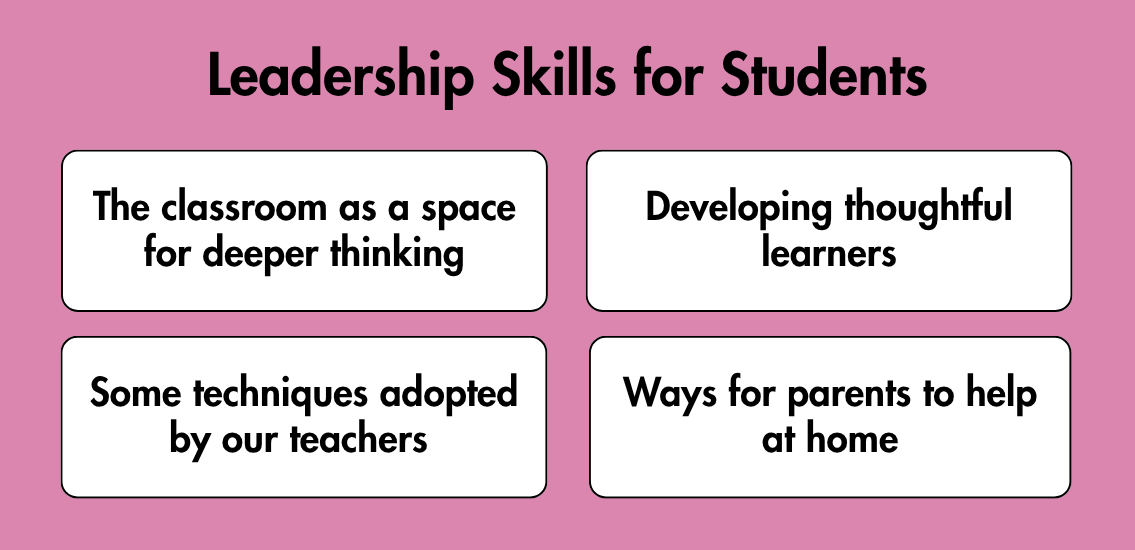
Role of Teachers in Developing Thoughtful Learners
Many influences on a learner, teachers are perhaps the greatest in terms of shaping how a learner thinks. At TAIPS, our focus is on providing our teachers with the skills to model how to think while they teach.
Some techniques adopted by our teachers are:
- Using ‘’how’’ instead of ‘’what’’ to encourage our students to defend their answer by the steps they took to reach their answer.
- Socratic classroom discussions to engage students in the dialogue to defend or challenge their ideas
- Goal directed tasks with multiple plausible solutions that mimic what could occur in daily life
- Thought journals instead of simply capturing work completed or outcomes
Teachers often championing ‘’thinking’’ of the correct answer to the ‘’wrong’’ thought answer further endorses the alignment of the teacher to the student and the value placed on the ‘’thinking’’ that is brought to the ‘’answer’’.
Ways for Parents to Help at Home
Parents may help pupils develop critical thinking skills outside of the classroom, just like instructors can.
Simple adaptations include:
- Justify your answer’ questions during meal times
- Allowed challenges of ideas through healthy classroom discussion
- Substituting excessive screen time with strategy board games and/or reading
- Rewarding deep thought along with or in place of the goal achievement
- Letting children attempt to solve problems on their own before providing assistance
- Creating a home environment that encourages exploration of questions will create a student that will do the same during lessons.
Conclusion
Every lesson, every conversation, and every challenge sharpens the mind. At TAIPS, we believe that developing critical thinking skills for students goes beyond academic achievement. Schools and families that nurture these skills invest in much more than grades, they help students build a purposeful life filled with confidence, clarity, and thoughtful decision-making. This is what we practice every day at TAIPS, in every classroom, and with every single child.