Raising Culturally Aware Kids in a Multilingual and Multicultural Classroom
A diverse classroom brings together children from different languages, cultures, traditions, and backgrounds. Students hear different languages, learn about various festivals and customs, and understand that people may have different ways of thinking and living. This kind of classroom environment helps children develop cultural awareness, respect for diversity, empathy, and better communication skills. It also gives them a wider perspective of the world and prepares them to interact confidently with people from different cultures.
The Benefits of Multilingual Learning
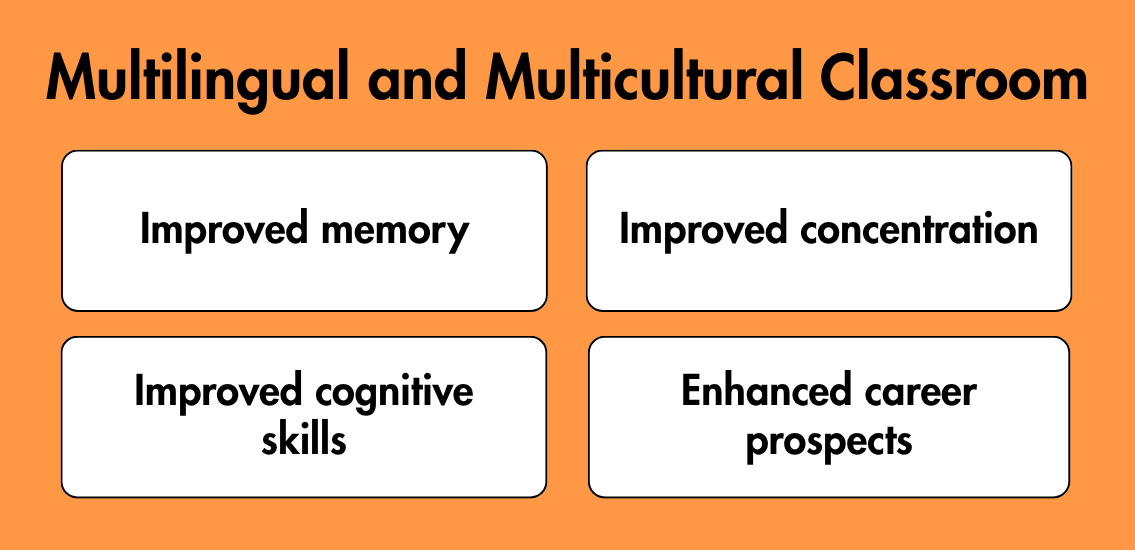
Multilingual learning gives children the opportunity to learn and communicate through more than one language. It supports language development while also helping students understand different cultures, perspectives, and ways of communication. Learning multiple languages from an early age can strengthen important skills that support children both inside and outside the classroom.
- Improved Memory: Learning languages can improve memory and recall skills.
- Improved Concentration: Encourages children to focus and switch between different language tasks.
- Improved Cultural Understanding: Students learn about different cultures which can help them respect and understand other people’s cultures.
- Improved Cognitive Skills: Children become adept at thinking, problem-solving, and making decisions.
- Improved Confidence: Encourages children to engage with and relate to different people.
- Enhanced Career Prospects: Different skills and languages positively impact children’s future workplaces and professions.
The Benefits of Multicultural Learning
Multicultural learning helps children understand different cultures, traditions, and ways of life. It teaches them to respect and appreciate people from different backgrounds while developing empathy and open-mindedness. Children also improve their communication, teamwork, and social skills through these experiences. This helps them build positive relationships and become more confident in a diverse world.
- Cultural Awareness: Learning about various cultures and lifestyles
- Respect for Diversity: Teaching the appreciation for differences and the absence of judgment
- Empathy: Learning about different feelings and different viewpoints
- Better Social Skills: Promoting communication, teamwork, and friendship
- Open-Minded Thinking: Promoting new outlooks and perspectives
- Greater Confidence: Comfortable interacting with people from various backgrounds.
Key Factors for Parents When Selecting a School
When parents review schools, a truly multilingual and multicultural classroom is a key indicator of a child’s understanding of the world outside of the classroom, globally and connected, and their understanding of the world socially and emotionally. Adults afterwards tend to be more at ease in diverse and different environments, including workplaces and higher education.
Building Diversity at TAIPS
Diversity is one of our main concerns at TAIPS. Our boarding community lives and studies together and includes students from different states, countries, languages, and cultures. Parents can learn about this community focus and see what community living is like on our Boarding TAIPS page.
Conclusion
More than just learning new languages, a multilingual and multicultural classroom develops children’s way of thinking and their ability to empathize and relate to the world. Parents want their children to be prepared to face the future. Therefore, selecting a school that embodies these values is one of the best decisions they can make.