
School life today comes with a lot of pressure. Between classes, homework, exams, and extracurricular activities, students often feel there is never enough time in the day. Focus and calm are not about working harder for longer hours. They come from small and consistent habits that make every day learning easier and less stressful.
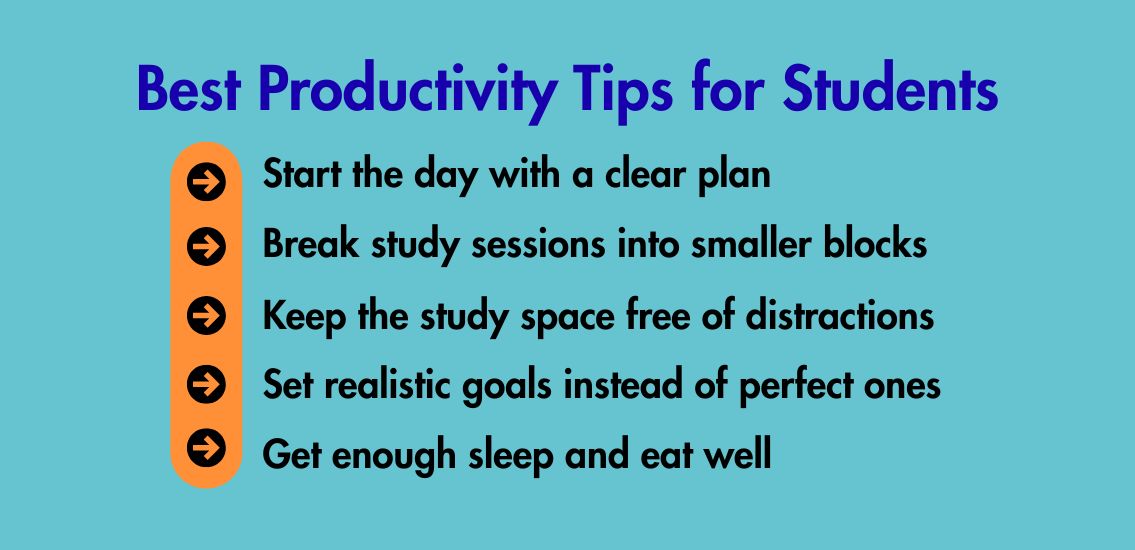
Start the Day With a Clear Plan
A day without a plan usually feels rushed and disorganised. Before school or study time begins, students benefit from writing down the tasks that matter most for that day. A short list with three or four priorities works better than a long list that feels overwhelming. This simple habit gives direction to the day and reduces the mental clutter of trying to remember everything at once.
Break Study Sessions Into Smaller Blocks
Sitting for hours without a break often leads to tiredness rather than progress. Studying in shorter blocks, with a few minutes of rest in between, keeps the mind fresh and attentive. This approach, sometimes called timed study sessions, helps students absorb information better than long, unbroken hours of reading. It also makes big subjects feel more manageable, since each block only covers a small, clear goal.
Keep the Study Space Free of Distractions
The environment around a student plays a big role in how well they concentrate. A cluttered desk, a phone buzzing with notifications, or background noise can pull attention away. Choosing a quiet corner, keeping the phone out of reach during study hours, and organising materials beforehand all help build a space where focus comes naturally.
Balance Academics With Rest and Play
Constant studying without rest does not lead to better results. In fact, it often causes fatigue and a drop in performance over time. Regular breaks, outdoor play, sports, and simple downtime allow the mind to recover and stay sharp. Schools that encourage a mix of academics and physical activity, such as sports periods and co-curricular clubs, help students return to their books with renewed energy.
Set Realistic Goals Instead of Perfect Ones
Many students put pressure on themselves to get everything right the first time. Setting realistic, achievable goals for each study session makes progress feel steady and encouraging. Celebrating small wins, like finishing a chapter early, builds confidence over time.
Get Enough Sleep and Eat Well
Focus and energy depend heavily on rest and nutrition. Students who sleep well and eat balanced meals find it easier to concentrate and retain what they learn. Late nights before exams may feel necessary, but they often reduce the ability to recall information the next day. A consistent sleep schedule supports both memory and mood.
Staying focused and calm through school life is possible with the right daily habits. From planning ahead to resting well, these best productivity tips for students show that small, steady changes can lead to better learning and a lighter mind. Schools that support this balance, along with guidance from teachers and family, help students grow into confident, capable learners ready for the years ahead.