Overview
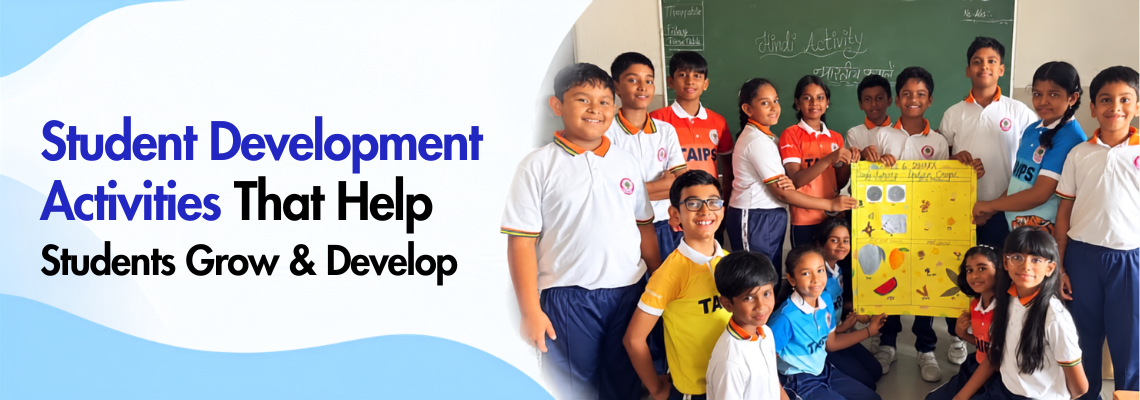
At TAIPS we believe that teaching children to speak clearly helps not their studies but also their ability to communicate in everyday life. Learners who communicate their ideas and thoughts in class or during a group project often decide how value others give to these ideas and thoughts. Therefore schools are beginning to focus on communication as a part of a successful students development.
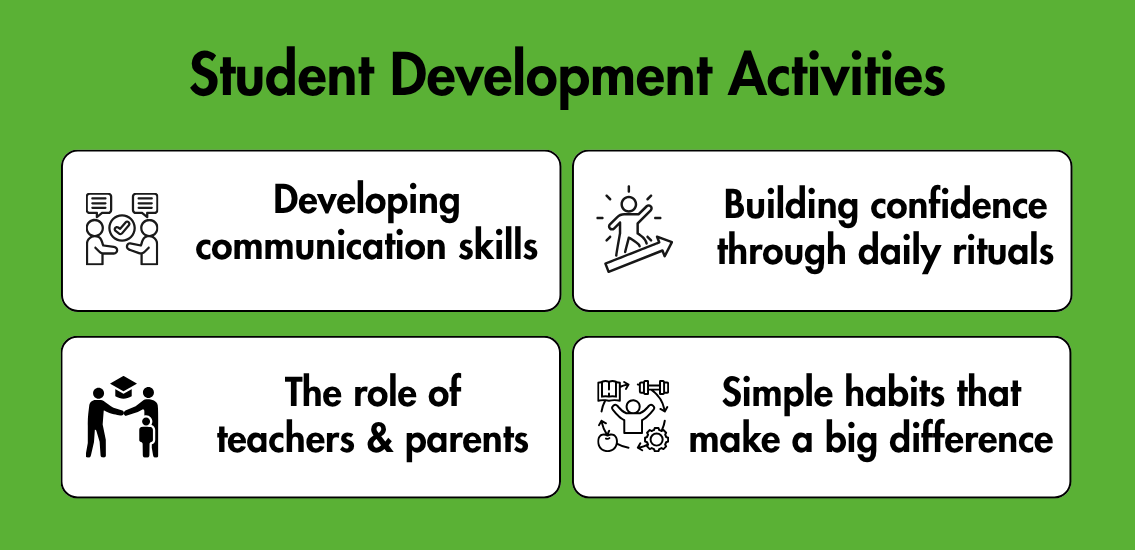
Developing Communication Skills Through Group Activities
Most class activities and daily lessons need interaction through presentations and group work. Discussions and answers to stated questions help learners learn lessons and add to a groups work. Clear active communication helps reduce or eliminate teachers frustrations caused by misunderstandings. Over time the natural result of this focus is that learners learn to speak and act thoughtfully and learn to listen carefully. Unlike the results of classroom assessments both results and outcomes boost daily living confidence and competence.
Building Confidence Through Daily Rituals
Confidence does not come all once. I give students chances to talk in front of people because that helps students become more confident. When students get a chance to share ideas students feel at ease. I encourage students to talk during class conversations. I also let students give presentations or read out loud in front of the group.
These simple actions help students practice speaking. When learners answer a classmate’s question they learn to think. When they explain an idea to a friend or a classmate they learn to organize their thoughts. Each time they speak they build confidence. As time goes on they get more comfortable when they speak in front of people.
It is not about being perfect. It is, about showing up and trying. Every small effort adds up. Confidence grows through repetition and practice. Learners who speak often begin to believe in themselves. They begin to trust their voice.. That confidence stays with them long after the class ends. This growth is achieved through practice with little worry about perfection. Teachers should give learners yet safe chances for practice that they can gradually raise in difficulty.
The Role Of Teachers and Parents
Teachers and parents are the strongest and mostly the quietest communicators in a learner’s life. A teacher who listens closely to and encourages learners gives motivation for learners to speak out in class. Parents can listen to their children speak with them about their day answer questions and prompt them to elaborate, of interrupting. When school and home give these messages learners feel that support comes from both and value the communication.
simple Habits That Make a Big Difference
Even the smallest change, in a habit can create an effect. Little habits bring results. For example reading changes. Builds hobbies and vocabulary. Vocabulary has an effect on how a learner can think and share ideas. Vocabulary has an effect, on how a learner can think and share ideas. Eye contact while pronouncing words helps overcome many speaking obstacles. Group activities in school give chances to practice and build speaking confidence before an audience that will not criticize or judge. Writing helps audiences express themselves in a way. Without resources or patience these habits can grow and improve with consistent practice.
Conclusion
At TAIPS, we believe communication is a skill that grows through regular practice and meaningful Student Development Activities. Schools and families can work together to give learners opportunities to communicate, collaborate, and build confidence. These experiences help strengthen essential communication skills, preparing learners to become confident and capable adults beyond the classroom.