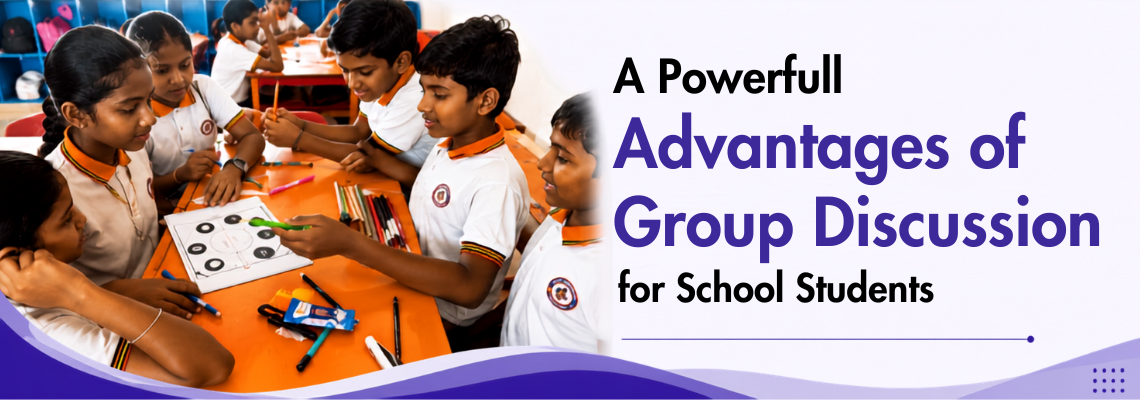
Picture a classroom where students aren’t silently copying notes they’re talking, debating, listening, and thinking out loud together. That image represents something increasingly important in modern CBSE schools, the student’s discussion increase the student’s confident level. While individual study builds knowledge, learning alongside peers builds something else entirely the kind of thinking, communication, and problem-solving skills that children carry with them long after the exam is over.
- Builds Confident Communication
Many students understand a concept but freeze when asked to explain it out loud. Regular group participation creates a low-pressure space to practise speaking — not in front of the whole school, but among four or five familiar peers. Over weeks and months, this quiet repetition builds the kind of spoken confidence that shows up in presentations, interviews, and everyday conversations.
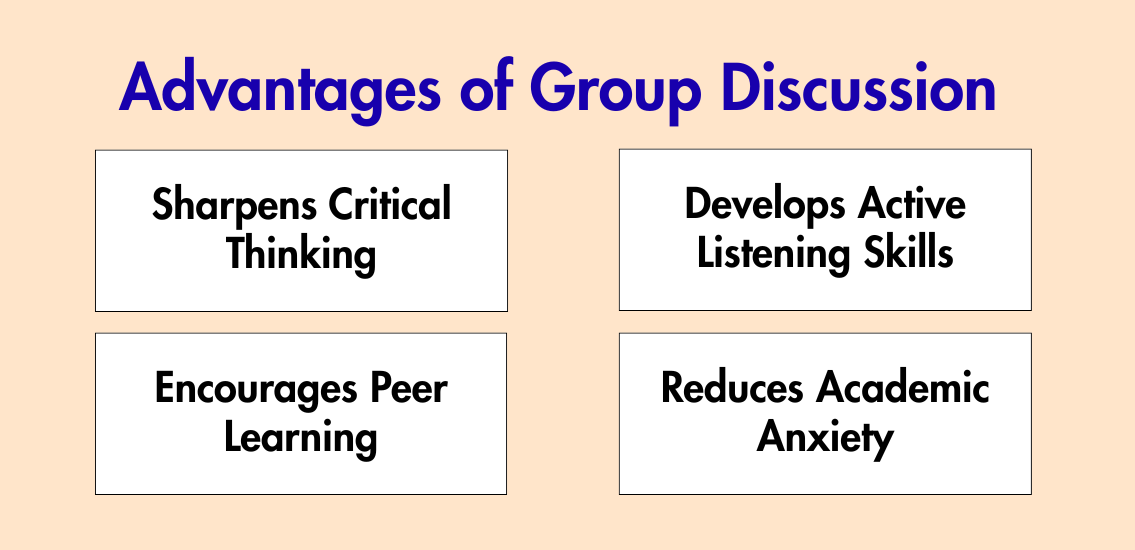
- Sharpens Critical Thinking
A discussion naturally forces a student to do more than recall they have to evaluate, compare, and sometimes defend a position. This back-and-forth is one of the most effective ways to move from surface-level understanding to genuine analytical thinking.
- Develops Active Listening Skills
Speaking is only half the skill learning to actually listen, absorb, and respond to what another person says is the other half. In a world of constant distraction, the ability to sit with someone else’s idea before reacting to it is rare and enormously valuable. Group sessions train this deliberately.
- Encourages Peer Learning
Not every student learns best from a teacher. Sometimes a classmate explaining a concept in casual, simple language lands better than a textbook definition. Peer explanations often use analogies and examples that resonate with the age group in a way that formal instruction can’t always replicate.
- Reduces Academic Anxiety
Sitting with the weight of a difficult chapter alone can feel overwhelming. Working through the same material in a small group makes the challenge feel more manageable. Students ask questions they’d feel embarrassed to raise in a full class, check their understanding against others, and often discover they know more than they thought they did.
- Builds Teamwork and Empathy
Working toward a shared conclusion requires compromise, patience, and respect for differing perspectives. These are not soft skills they are lifelong capabilities that determine how effectively a person navigates a workplace, a family, and a community.
- Prepares Students for Real-World Demands
Corporate hiring managers consistently cite communication, collaboration, and critical thinking as their top priorities. CBSE students who have spent years in structured group learning environments enter the workforce or even college already practised in these areas, while peers who only ever studied alone often have to build these skills from scratch.
Group learning, when structured thoughtfully, is one of the most impactful methods a school can offer. The real advantages of group discussion lie not just in better exam results, but in the lasting habits of thinking, speaking, and working alongside others that stay with a student through every stage of life.