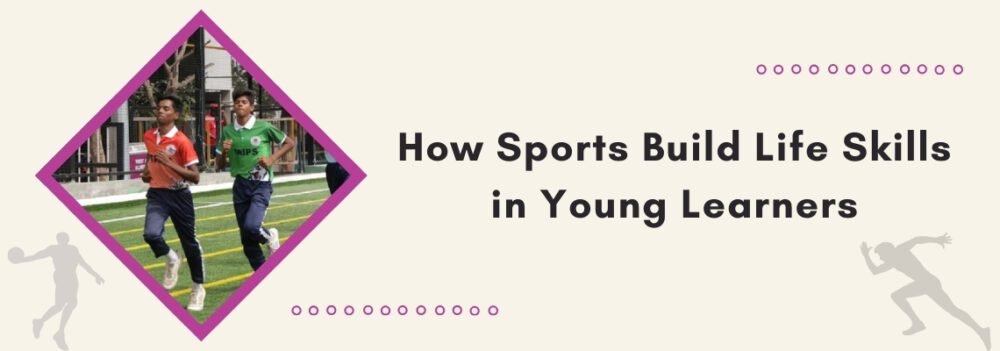
Sports build skills beyond just fitness. It is important for Parents, Educators, and Students to comprehend how sports participation develops character, unyielding spirit and, interpersonal skills. Sports participation, fosters more advanced skills, including, problem resolving, leadership, discipline, and overall, teamwork, which will be paramount throughout their lifetime. Emotional control, managing stress, and overall mental health, as well as, academic performance will all see improvement as well, which emphasizes the importance of sports as an integral component of whole person education.
Why Sports Build Life Skills
Sports participation creates a new realm of challenges and opportunities for personal growth. Children learn the importance of focus and self-control. Sports also teach children respect for rules, authority figures including coaches and referees, and the value of all outcomes, including challenging ones. Children develop the character trait of patience, and the perseverance required to control their own emotions as they learn that improvement requires practice and that setbacks, in order to progress, are also necessary along the way. These life skills, most importantly, help children more easily integrate into and thrive creatively in their school, social relationships and work life.

Important Life Skills Sports Develop
Some of the most important life skills are the following:-
Cooperation and teamwork skills: In sports competitions, players work toward a common goal. This teaches players to coordinate, divide, and share responsibilities. Successful players celebrate their success as a team. This also fosters a strong sense of unity and belonging.
Discipline: Impacted by training routines, the acceptance of coaching, and the enforcement of game rules, and these facets build the kind of discipline necessary for working to achieve long-term goals.
Time management: The interplay of academic studies along with participation in competitive sports is a nurture effective and the skills required for prioritization.
Self-esteem and personal effort: Are both boosted by goals achieved in one’s sport—be it as simple as a single score or as complex as a defended goal.
The ability to lose a match: while learning from (the mistakes that) one has made to improve for the next is a sportsmanship value widely accepted. This value fosters the ability to bounce back and become stronger.
Leadership: These skills are appreciated when captain roles or assisting other players are assumed. These roles build the self-assuredness and the ability to make sound choices.
Aiding social relationships: Is the ability to communicate and actively listen, and this is practiced in sports to enhance their communication skills.
Healthy habits: Exercising regularly and keeping an eye on one’s nutrition are practices. This is the attitude that sports participation brings.
Goal setting: There is the encouragement of working in a sustained and constant manner towards improvement, is one of these anticipations. This is most prevalent in the setting of performance goals in sports.
Ethical behaviour: A nurturing attitude towards players (both opposite and on his own team) is the sportsmanship value of respect; it breeds fair play.
Impact on Academic and Emotional Growth
Sports have an impact that goes beyond the physical and broader impact on academic and emotional growth. Academically, children who partake in activities that keep them active score better on tasks that require concentration. This also positively affects their memory and cognitive skills. The direct value of team activity is a reduction in both stress and anxiety. A positive outlet for emotion is provided for children. These positive attributes combine to promote a well-rounded and healthy lifestyle.
The Adhyayana International Public School (TAIPS) CBSE School, Coimbatore, is aware of the importance of learning life skills through sports. At the school, sports and academics are intertwined, and through this approach, the school helps each student develop their self-confidence, discipline, and social skills. To learn more about sports integration at TAIPS, you may visit us and discover more about our CBSE School.