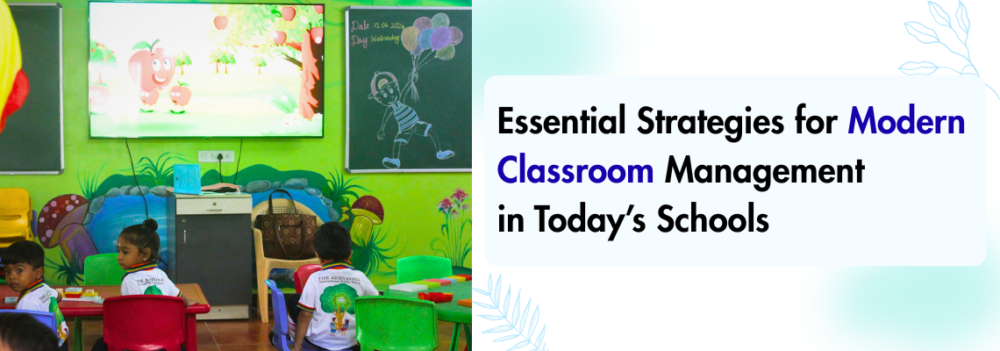
Today’s classrooms are buzzing with kinds of learners’ digital distractions and hybrid learning needs. Modern classroom management is not about being in control. It’s about creating engaging and inclusive spaces where students can thrive. For teachers and school principals, using these strategies means disruption, more engagement and better learning results in the dynamic school environments of 2026.
- Set Clear Expectations from Day One
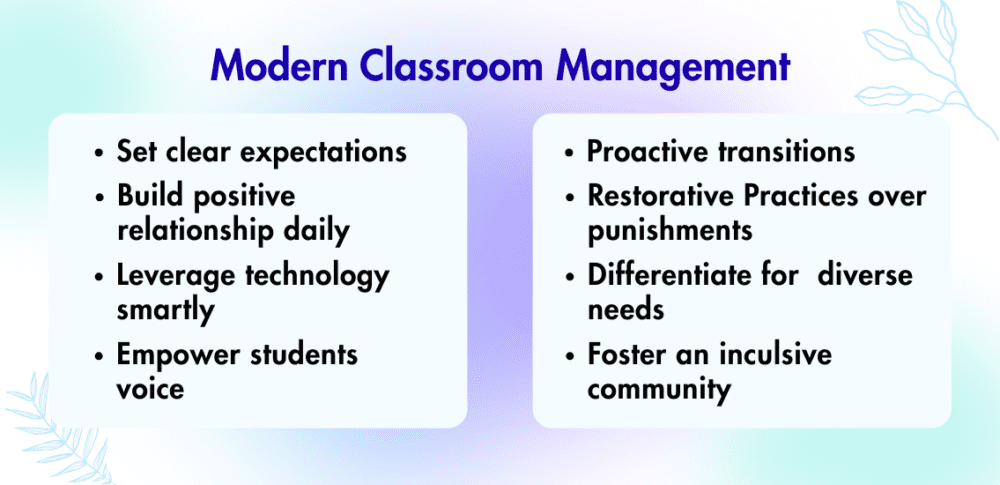
Effective modern classroom management starts with rules that students help create. Display 3-5 expectations like “Respect everyone’s voices” and “Stay focused on learning” on posters or digital boards. Practice them through role-playing during the week. Walk through scenarios like group work transitions or tech use. Consistency builds trust; when students know boundaries, they regulate their behaviour better. Principals should provide templates for grade expectations to ensure school-wide alignment.
- Build Positive Relationships Daily
Connecting with students is more important than correcting them. Greet students at the door by name with eye contact and a fist bump. This short ritual boosts participation. Use “wait time” after questions: pause for a second to let everyone think before calling on someone. Learn interests through quick morning check-ins. Strong relationships reduce defiance because students want to please adults who care about them.
- Leverage Technology Smartly
Use tools like Google Classroom or ClassDojo for routines. Set norms: “Screens on only when instructed.” Use real-time polls for engagement checks. Adjust lessons on the spot. For classes, unified protocols maintain flow across in-person and remote learners. Track behaviour data digitally to spot patterns early.
- Master Proactive Transitions and Routines
Free time can lead to chaos. Signal transitions with timers, music cues or hand signals. Students move faster. Teach procedures first week: lining up materials distribution, end-of-class clean up. Rehearse after the holidays. Predictable structure minimizes anxiety.
- Use Restorative Practices over Punishment
Shift from punishment to growth. For issues, use restorative circles: “What happened? How does it feel? How to fix it?” Train peer mediators for conflicts. Builds leadership. Reinforcement works best: class points for teamwork, redeemable for privileges. This approach cuts referrals while teaching empathy.
- Differentiate for Diverse Needs
One-size-fits-all doesn’t work in classrooms. Use grouping: mix ability levels for collaboration, pull small groups for targeted support. Visual schedules and “first-boards help students with ADHD. Embed short breaks. Two-minute stretches or mindfulness. For focus.
- Foster an Inclusive Community
Celebrate diversity daily. Morning meetings build belonging: share facts, student spotlights. Strategic seating mixes dynamics while minimizing distractions. Address bias immediately. Inclusive cultures boost achievement for all.
- Data-Driven Adjustments
Track what works: charts for on-task time disruptions, participation. Weekly reviews reveal trends. Adjust
- Empower Student Voice
Give ownership: class jobs, weekly feedback forms. Students invested in the environment behave better.
At The Adhyayana International Public School (TAIPS),Coimbatore’s leading CBSE School, we equip teachers with classroom management training. See our approach in action. Visit our CBSE School.